I have always wondered if staging a property was a good idea or not. Sometimes I have a house for sale and as the listing agent I want it to look good when buyers come see it. I try to take photos of the inside with furniture while the sellers are still living there. If there are good photos on the Internet, it increases the chance of a buyer wanting to see the inside of the house. However, sometimes the sellers have needed to move before the house is sold. Then I have wondered if it was better to keep the house vacant or to rent or borrow furniture to have it look "lived in." From this article, it sounds like the house won't sell for more money, but it didn't answer the question of whether the house would sell sooner. If I have some furniture or the seller has some furniture that can stay in the house, I like to have it there. However, I have yet to spend money to have someone professionally stage the house. I would rather spend my money on advertising!
Here's a REALTOR Mag article on this topic: Study: Staging Doesn't Influence Selling Price
What do you think?
Showing posts with label inside real estate. Show all posts
Showing posts with label inside real estate. Show all posts
Tuesday, January 7, 2014

Monday, November 18, 2013
Home Showing Mistakes
Now that we've looked at all ten of the common home showing mistakes highlighted in REALTOR Mag's article, what can we conclude? Let's briefly review the mistakes.
The first type of mistake is having the owners lingering in the home during a showing. Mistake number two is related, but this time it's the pets who need to relocate during showings. Bad smells in a home are the third kind of mistake, and they might come from pets or from people. The fourth type of mistake is wild critters on the property, and the fifth is oddities, from unusual room arrangements to partially successful remodels, that don't show your home to its best advantage. Dirt and clutter are mistake number six: remember that showing your home off means making it shine, literally! The seventh kind of mistake is leaving out personal information like bank statements. A home needs to be reasonably well-lit to be viewed by prospective buyers, which is why the eighth mistake is poor lighting. Number nine is straightforward: your realtor needs to have a key to access your home for showings. And the tenth mistake is leaving revealing or even nude photos and portraits on display - remember to take those down and temporarily hang landscapes or something else neutral in their place during showings.
A showing is an opportunity for a buyer to imagine your home becoming their home, which is exactly what happens after a completed sales process. The theme that runs through all these mistakes is that they disrupt this imagination and distract buyers from seeing all the appealing things about your home. It can be challenging to make your presence fade into the background in a place that's still your home, but remember that you are trying to help it become someone else's home. Disappear when you need to, and make sure you've put away the most obvious signs of your presence before you do. You'll be glad when all your work pays off and your home successfully changes owners!
The first type of mistake is having the owners lingering in the home during a showing. Mistake number two is related, but this time it's the pets who need to relocate during showings. Bad smells in a home are the third kind of mistake, and they might come from pets or from people. The fourth type of mistake is wild critters on the property, and the fifth is oddities, from unusual room arrangements to partially successful remodels, that don't show your home to its best advantage. Dirt and clutter are mistake number six: remember that showing your home off means making it shine, literally! The seventh kind of mistake is leaving out personal information like bank statements. A home needs to be reasonably well-lit to be viewed by prospective buyers, which is why the eighth mistake is poor lighting. Number nine is straightforward: your realtor needs to have a key to access your home for showings. And the tenth mistake is leaving revealing or even nude photos and portraits on display - remember to take those down and temporarily hang landscapes or something else neutral in their place during showings.
A showing is an opportunity for a buyer to imagine your home becoming their home, which is exactly what happens after a completed sales process. The theme that runs through all these mistakes is that they disrupt this imagination and distract buyers from seeing all the appealing things about your home. It can be challenging to make your presence fade into the background in a place that's still your home, but remember that you are trying to help it become someone else's home. Disappear when you need to, and make sure you've put away the most obvious signs of your presence before you do. You'll be glad when all your work pays off and your home successfully changes owners!
Friday, November 8, 2013
Home Showing Mistakes, Items Eight and Nine: Logistics
 |
| Curb appeal is great, but buyers want to see inside! (Image from Front Door Design) |
The eighth mistake is a home that's too dark to be seen well during a showing, and the ninth mistake is not providing a key for your realtor. Both of these are mistakes that can be prevented through teamwork and communication with your realtor!
A home may be too dark because it takes time for compact fluorescent bulbs to warm up, or because a lamp needs to be moved. Make sure you or your realtor check lighting and turn on energy efficient bulbs ten minutes or so before a showing.
And of course, check with your realtor, or in the lock box on your door, to make sure there's a key available for showings. Buyers need to be able to see your home!
Tuesday, November 5, 2013
Home Showing Mistakes, Items Seven and Ten: Too Personal!
I read an article in REALTOR Mag last month about the top 10 "worst home-showing offenses" - in other words, major mistakes people make when showing their homes. I'd like to share them with you, along with tips for avoiding them.
I'm grouping mistakes seven and ten together, because one is a more extreme form of the other. Mistake seven is about owners leaving out personal information during showings - things like bank statements and bills left on the counter. And mistake ten is the over the top version of that - owners who have revealing or nude photos of themselves on display and don't put them away before showings!
It's easy to forget to clean up piles of financial statements or other parts of your daily life. You might not realize that your mail isn't invisible on your kitchen counter because it's not something you notice. So try to take a walk through your house as though you're seeing it for the first time. Or better yet, ask family or friends to do a walk-through with you!
When it comes to pictures and portraits, you'll want to remember not only to put away the private ones but also to put something in their place. This doesn't have to be complicated or expensive. You can replace pictures on side tables with fresh flowers, and get low-cost art prints to hang on walls.
Showings are a chance for buyers to get to know your house, not you. Keep the personal stuff private during showings!
Friday, November 1, 2013
Home Showing Mistakes: Item Six, Dirt and Clutter
I read an article in REALTOR Mag last month about the top 10 "worst home-showing offenses" - in other words, major mistakes people make when showing their homes. I'd like to share them with you, along with tips for avoiding them.
The sixth mistake is one that seems obvious but can be hard to keep up with: your home should be clean and orderly for showings. It's extra work to keep your home ready to be seen, and it requires you to pay attention to big and small things. Make sure there aren't any piles of laundry sitting around, or muddy tracks on the floor near the doors. Take out the trash and make all the beds. And make time to clean thoroughly on a regular basis: wash windows, clean the sinks, vacuum carpets and put out fresh towels.
To start you off, here's a blog post about how to clean your house like a professional, written by a woman who's worked in the hotel industry: http://thisladyshouse.com/content/how-clean-your-house-professional. For more ideas and cleaning tips, check out some of the pins on my "real estate help" board on Pinterest. Don't forget about odors, too - item three on the mistakes list, bad smells, still applies.
 |
| Image from This Lady's House: How to Clean Your House Like a Professional |
To start you off, here's a blog post about how to clean your house like a professional, written by a woman who's worked in the hotel industry: http://thisladyshouse.com/content/how-clean-your-house-professional. For more ideas and cleaning tips, check out some of the pins on my "real estate help" board on Pinterest. Don't forget about odors, too - item three on the mistakes list, bad smells, still applies.
Wednesday, October 23, 2013
Home Showing Mistakes: Item Four and Five, Critters and Oddities
I read an article in REALTOR Mag last month about the top 10 "worst home-showing offenses" - in other words, major mistakes people make when showing their homes. I'd like to share them with you, along with tips for avoiding them.
The fourth mistake is critters, specifically wild animals and pests like insects. This sounds pretty obvious, but remember: you might be accustomed to something and think of it as "no big deal," while that same thing might be an unpleasant surprise to a potential buyer. Whether it's raccoons in the backyard or boxelder bugs that are only around for a week (but during that week, they're EVERYWHERE), imagine you're seeing your home for the first time. Try to control or remove those uninvited wild guests.
The fifth mistake is "oddities," as in "oddities from home make-overs." Again, you might be accustomed to using that former home office as a bedroom, despite its lack of closet. And you might not notice any more that a door opens "backwards" or that some paint got on the light switch plate when you repainted a room. But potential buyers are much more likely to notice these things and get a negative impression of your home from them. Again, imagine you're seeing your home for the first time. Clean up any details like awkward paint, and restage rooms to help them look more like buyers would expect.
To get you started, here are a few resources: tips for painting your door and your kitchen cabinets. You can find more painting, cleaning and staging tips on my Pinterest board for "real estate help".
The fourth mistake is critters, specifically wild animals and pests like insects. This sounds pretty obvious, but remember: you might be accustomed to something and think of it as "no big deal," while that same thing might be an unpleasant surprise to a potential buyer. Whether it's raccoons in the backyard or boxelder bugs that are only around for a week (but during that week, they're EVERYWHERE), imagine you're seeing your home for the first time. Try to control or remove those uninvited wild guests.
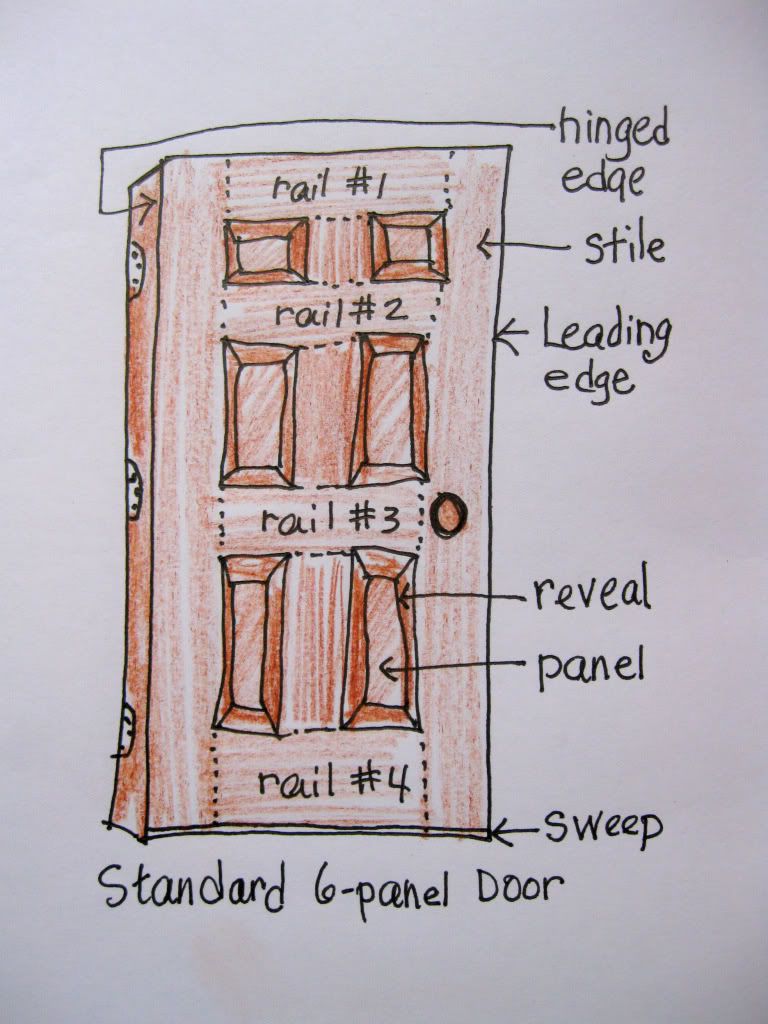 |
| Door painting tips from DIY Home Staging Tips |
To get you started, here are a few resources: tips for painting your door and your kitchen cabinets. You can find more painting, cleaning and staging tips on my Pinterest board for "real estate help".
Wednesday, October 16, 2013
Home Showing Mistakes: Item Three, Bad Smells
I read an article in REALTOR Mag last month about the top 10 "worst home-showing offenses" - in other words, major mistakes people make when showing their homes. I'd like to share them with you, along with tips for avoiding them.
The third mistake is bad smells in the home. They could be from pets, or from something you use often when cooking, like garlic, or cigarette smoke. You may not notice the smell since you're around it all the time. Consider asking a friend or relative to come have a sniff and alert you to any strong odors.
What can you do about them? REALTOR magazine suggests painting walls and cleaning your carpet to deal with long-term, established smells. You may even need to replace the carpet to deal with pet odors or cigarette smoke. Furniture can also harbor odors, so consider moving upholstered furniture that's particularly smelly out of the way, even to a storage unit. And don't forget the power of opening windows and getting some air circulation working for you, weather permitting.
Using scents and air fresheners to cover up bad smells rarely works, but once you've dealt with the source of the smell by cleaning carpets, moving furniture, and circulating air, you can add pleasant odors to the air. You can do this by baking bread or making applesauce, or you can use a simmer pot intended just to create a nice scent. Here are five suggestions for simmer pot combinations from Yahoo! Shine: http://shine.yahoo.com/haven/5-awesomely-autumnal-simmer-pot-recipes-to-get-you-in-the-mood-for-fall-2402046.html
The third mistake is bad smells in the home. They could be from pets, or from something you use often when cooking, like garlic, or cigarette smoke. You may not notice the smell since you're around it all the time. Consider asking a friend or relative to come have a sniff and alert you to any strong odors.
 |
| Simmer pot picture from Yahoo! Shine |
Using scents and air fresheners to cover up bad smells rarely works, but once you've dealt with the source of the smell by cleaning carpets, moving furniture, and circulating air, you can add pleasant odors to the air. You can do this by baking bread or making applesauce, or you can use a simmer pot intended just to create a nice scent. Here are five suggestions for simmer pot combinations from Yahoo! Shine: http://shine.yahoo.com/haven/5-awesomely-autumnal-simmer-pot-recipes-to-get-you-in-the-mood-for-fall-2402046.html
Wednesday, October 9, 2013
Home Showing Mistakes: Item Two, Pets!
I read an article in REALTOR Mag last month about the top 10 "worst home-showing offenses" - in other words, major mistakes people make when showing their homes. I'd like to share them with you, along with tips for avoiding them.
The second mistake dealt with pets in the home during showings. Many agents pointed out that unfriendly cats and dogs in a home make showings difficult, if not impossible. Even when pets are crated, they may be protesting noisily during the showing and prevent a potential buyer from entering a room.
Moving is a stressful time for pets, and having strange people viewing the home only adds to that. If possible, take your pet with you when you're out during showings. If that's not possible, whether because you're at work or because your cat doesn't walk on a leash, investigate other places for your pet to be. Maybe your cat can spend the day at your friend's house. Maybe your dog can go to "doggie daycare." Help your showings go more smoothly and make your pet's day a little easier, too.
The second mistake dealt with pets in the home during showings. Many agents pointed out that unfriendly cats and dogs in a home make showings difficult, if not impossible. Even when pets are crated, they may be protesting noisily during the showing and prevent a potential buyer from entering a room.
Moving is a stressful time for pets, and having strange people viewing the home only adds to that. If possible, take your pet with you when you're out during showings. If that's not possible, whether because you're at work or because your cat doesn't walk on a leash, investigate other places for your pet to be. Maybe your cat can spend the day at your friend's house. Maybe your dog can go to "doggie daycare." Help your showings go more smoothly and make your pet's day a little easier, too.
Friday, October 4, 2013
Home Showing Mistakes: Item One, "Leftover Home Owners"
I read an article in REALTOR Mag last month about the top 10 "worst home-showing offenses" - in other words, major mistakes people make when showing their homes. I'd like to share them with you, along with tips for avoiding them.
The first mistake is being around during a showing. The REALTOR Mag article mentions owners being asleep in bed, in the shower, and even following potential buyers through the home! To avoid being caught sleeping, showering, or doing other things when your home is being shown, make sure your realtor has good contact information for you: your cell phone number, the email address you check most frequently. And when you know there's going to be a showing, put it in your calendar and maybe even set an alarm for yourself.
As far as following prospective buyers through the home: don't. Even if you are curious about their reactions, remember that your goal in listing your home is to sell it. Part of selling your home is letting buyers explore it in private and imagine it as their own.
More next time!
The first mistake is being around during a showing. The REALTOR Mag article mentions owners being asleep in bed, in the shower, and even following potential buyers through the home! To avoid being caught sleeping, showering, or doing other things when your home is being shown, make sure your realtor has good contact information for you: your cell phone number, the email address you check most frequently. And when you know there's going to be a showing, put it in your calendar and maybe even set an alarm for yourself.
As far as following prospective buyers through the home: don't. Even if you are curious about their reactions, remember that your goal in listing your home is to sell it. Part of selling your home is letting buyers explore it in private and imagine it as their own.
More next time!
Tuesday, September 17, 2013
Code of Ethics: Conclusion

The first realtor code of ethics was written in 1913, 100 years ago. It was presented at the National Association of Realtors (known then as the National Association of Real Estate Exchanges) annual convention in Winnipeg, Canada, in July. So, in recognition of the 100th birthday (July, 2013), I wanted to mention the duties that were important then.
The code was called the “Ethics of the Real Estate Profession—Adopted by National Association of Real Estate Exchanges.” This code was divided into 2 sections. The first was called “Duties to Clients” and the second section was called “Duties to Other Brokers.”
During that time, there were curbside real estate agents, robber barons, & sharks. There was misleading advertising, land fraud, forged deeds and notes, and other unscrupulous acts. In 1908, several real estate groups got together to create a national group. They communicated by letters and met annually. The reputable agents were dismayed that there continued to be illegal acts. The agents agreed that, at the annual meeting of 1913, they would create a code of ethics by which the agents would agree to behave. For more information about the NAR code, you can view this video: http://www.realtor.org/videos/video-origins-of-the-code-of-ethics
There have been changes during the past 100 years. However, we who are real estate agents belonging to the National Association of Realtors have agreed to abide by the current Code of Ethics and can call ourselves a Realtor. The current Code of Ethics is available here: http://www.realtor.org/governance/governing-documents/the-code-of-ethics
As Realtors in Colorado, we are required to take an ethics class every 4 years. It is important to me to treat the buying public, my clients, and other brokers with respect and protect the trust in me and in the land. Yes, I take it seriously.
Monday, September 16, 2013
Being a Mentor, Day 10
My
mentee got her official license as of 2 days ago! Yay! That means she
is listed on the Colorado Division of Real Estate. All Colorado real
estate licensees can be found by searching here: http://eservices.psiexams.com/crec/search.jsp

She is getting her photo taken for her business cards, website, Bray’s list of agents, etc., This photo will be seen in a lot of places, so it’s good to have a photo she likes. My mentee also shadowed me on a listing appointment. The sellers are out of town so I went to the property and took measurements and photos. My mentee helped me with that and then spent the afternoon gathering more information from the tax assessor’s site and neighborhood. We got some information from Navica.
In the past couple days, she has had lunch or coffee with several title companies. Depending on who the seller or buyer chooses for their title work, it is easier if she has already met them before the closing day. She missed some stuff because she had a family appointment. I know that everyone juggles all the facets of their life & sometimes family comes first. For me it is usually family and clients first and I always have difficulty when I feel that I am not giving either side enough time. So I have been talking with my mentee about having balance among all the tasks. She is working on a pretend listing of her own house. That gives her an opportunity to fill out all the forms. I remember, though, that I still was very careful when doing my first listing!
She is getting her photo taken for her business cards, website, Bray’s list of agents, etc., This photo will be seen in a lot of places, so it’s good to have a photo she likes. My mentee also shadowed me on a listing appointment. The sellers are out of town so I went to the property and took measurements and photos. My mentee helped me with that and then spent the afternoon gathering more information from the tax assessor’s site and neighborhood. We got some information from Navica.
In the past couple days, she has had lunch or coffee with several title companies. Depending on who the seller or buyer chooses for their title work, it is easier if she has already met them before the closing day. She missed some stuff because she had a family appointment. I know that everyone juggles all the facets of their life & sometimes family comes first. For me it is usually family and clients first and I always have difficulty when I feel that I am not giving either side enough time. So I have been talking with my mentee about having balance among all the tasks. She is working on a pretend listing of her own house. That gives her an opportunity to fill out all the forms. I remember, though, that I still was very careful when doing my first listing!
Wednesday, September 11, 2013
Code of Ethics: Duties to Other Brokers

The first realtor code of ethics was written in 1913, 100 years ago. It was divided into 2 sections. The first was called “Duties to Clients” and there were 10 duties. The second section was called “Duties to Other Brokers” and there were 13 of those. I mentioned the duties to clients previously & now here are the duties to other brokers.
Briefly, the duties to clients were
- Respect the listings of other agents and co-operate with him or her to sell, as long as the other agent has the most suitable property.
- Advise a seller to renew the selling contract with the other agent, rather than solicit the listing yourself, provided the other agent has made a reasonable attempt to sell the property.
- Always be fair and honest when co-operating with other brokers and always speak well of the competition, refusing to judge based on rumors.
- Advertise facts about the property and do not criticize a competitor’s proposition.
- Give an honest opinion of a competitor’s proposition when asked by a prospective buyer, even if it results in a sale by a competitor.
- Refuse to put a “For Sale” or “For Rent” sign on a property that already has a competitor’s sign placed on it, provided it is with the owner’s permission.
- If an agent cannot efficiently handle a proposition, it should be referred to a competitor who can.
- Seek co-operation with other members in the Association when selling listings, unless there is a particular deal or buyer already expected, and be willing to equally divide the regular commission with any member of the Association who can produce a buyer.
- When settling differences, agree to friendly arbitration by the Real Estate Association rather than through the courts of law.
- Do not disregard other agents. Work with the owner’s regular agent when selling the property to a live buyer and don’t insist on handling the entire deal and getting all the commission.
- As a broker, do not put your name in the newspaper in connection with a deal unless you are a party to that deal and are receiving a part of the commission. Otherwise, the publicity is a sham and the deception hurts everyone.
- When a sale or exchange is handled by two agents, each agent shall get due credit in the report of the sale or exchange.
- Do not relay property,--i.e., giving property information to one agent that was obtained from another agent—unless the property is exceptional and the third agent knows that the property information is not coming directly from the first agent. A broker who relays represents neither side and is not entitled to the same consideration as either of the other agents.
Tuesday, September 10, 2013
Being a Mentor, Days 4 & 5
My mentee and I finished out last week with two more busy days. Here's what they looked like.
Day 4 of Mentoring
We started out the day having coffee with one of the lenders. He & I had planned to meet the previous Friday & it hadn’t turned out. It was great to have my mentee meet another lender. The more people she meets as she goes along, the better. If a buyer is already working with a certain lender, it is easier for the real estate agent if they have met in person. If the buyer doesn’t have a lender yet, it is easier for the real estate agent to create for the buyer a list of possible lenders he or she has met if the buyer wants it.
In the afternoon, we showed property in Orchard Mesa & Glade Park. Properties that are more rural can have wells and septic systems. Also we were lucky because the properties we saw had views of the surrounding cliffs and mesas. Glade Park is actually above the Colorado National Monument. Here’s a link to the CNM webcam. http://www.nps.gov/colm/photosmultimedia/webcams.htm You can imagine the views!
Day 5 of Mentoring
I had floor scheduled for 9-11 this morning. When Bray is open, we have someone always available to answer questions about Bray properties. We also answer general questions about buying & selling homes. We can help people if they call or come in, & they want to get started in the process of buying a home or selling their current one. My mentee came in & shadowed me for that. I created a packet in case a buyer came in.
I ended up getting a call from someone who wanted to sell their house. I will be going over there later this week to see everything. This has basically finished our first week together. It was a good week. My mentee is scheduling her calendar & learning lots. So ... I told her to take tomorrow off from real estate & get her family life caught up.
Day 4 of Mentoring
We started out the day having coffee with one of the lenders. He & I had planned to meet the previous Friday & it hadn’t turned out. It was great to have my mentee meet another lender. The more people she meets as she goes along, the better. If a buyer is already working with a certain lender, it is easier for the real estate agent if they have met in person. If the buyer doesn’t have a lender yet, it is easier for the real estate agent to create for the buyer a list of possible lenders he or she has met if the buyer wants it.
In the afternoon, we showed property in Orchard Mesa & Glade Park. Properties that are more rural can have wells and septic systems. Also we were lucky because the properties we saw had views of the surrounding cliffs and mesas. Glade Park is actually above the Colorado National Monument. Here’s a link to the CNM webcam. http://www.nps.gov/colm/photosmultimedia/webcams.htm You can imagine the views!
Day 5 of Mentoring
 |
| Here's what a buyer packet looks like. |
I ended up getting a call from someone who wanted to sell their house. I will be going over there later this week to see everything. This has basically finished our first week together. It was a good week. My mentee is scheduling her calendar & learning lots. So ... I told her to take tomorrow off from real estate & get her family life caught up.
Monday, September 9, 2013
Being a Mentor, Days 2 & 3
Last week my mentee and I kept busy with a variety of set-up, orientation, and mentoring activities. Here's a brief description of what our days looked like.
Day 2 of Mentoring
My mentee got a tour of the office. She also got her phone extension and did more paperwork for the office. We looked at a Comparative Market Analysis that I am working on for a listing. While we were doing that in Navica, we also looked at property information. I've talked about Navica here before, and how to understand Navica MLS listings. At the end of the day, she attended a Bray Productivity Meeting about Money Management and Profitability. The productivity meetings are run by a Bray agent & offered to Bray agents on most Wednesday afternoons.
Day 3 of Mentoring
At the beginning of the day, she attended a Bray Contracts Class about Listing Contracts. The contracts class is run by a Bray agent & offered to Bray agents on most Thursday mornings. I like to attend those classes when I can, but I attended a GJARA board MLS committee meeting. I am currently a non-voting member, & I hope to be a voting member on that committee soon. You may remember that GJARA is the Grand Junction Area Realtors Association.
Later in the morning, my mentee spent time at the front desk, learning to use the phone there & seeing what it was like at the front. Agents call to set showing appointments on Bray property. People walk in to meet with Bray agents or if they have questions. If they are not working with any agent yet, they are helped by the floor person. It can get busy at the front desk! Mentee had lunch with one of the lenders. In the afternoon, she & I went to get office supplies together.
Day 2 of Mentoring
My mentee got a tour of the office. She also got her phone extension and did more paperwork for the office. We looked at a Comparative Market Analysis that I am working on for a listing. While we were doing that in Navica, we also looked at property information. I've talked about Navica here before, and how to understand Navica MLS listings. At the end of the day, she attended a Bray Productivity Meeting about Money Management and Profitability. The productivity meetings are run by a Bray agent & offered to Bray agents on most Wednesday afternoons.
Day 3 of Mentoring
At the beginning of the day, she attended a Bray Contracts Class about Listing Contracts. The contracts class is run by a Bray agent & offered to Bray agents on most Thursday mornings. I like to attend those classes when I can, but I attended a GJARA board MLS committee meeting. I am currently a non-voting member, & I hope to be a voting member on that committee soon. You may remember that GJARA is the Grand Junction Area Realtors Association.
Later in the morning, my mentee spent time at the front desk, learning to use the phone there & seeing what it was like at the front. Agents call to set showing appointments on Bray property. People walk in to meet with Bray agents or if they have questions. If they are not working with any agent yet, they are helped by the floor person. It can get busy at the front desk! Mentee had lunch with one of the lenders. In the afternoon, she & I went to get office supplies together.
Wednesday, September 4, 2013
Being a Mentor, Day 1
Yesterday, after 2 1/2 years at Bray, I became a mentor. I remember when I first
started at Bray & I was a mentee. Before I became a broker, when I was still taking my online real estate class, I knew I would have a mentor to guide me. And then after I got my license I joined Bray Real Estate. That's how I met Vonnie Folkers, who mentored me.
Now I am a mentor for a new broker. Tuesday was the first day of our six-month agreement to be mentor & mentee. I don’t know her very well yet — I just met her on Friday — but I know enough to know that we have a good mentoring relationship. So… we had the Tuesday morning marketing meeting where she was introduced & it was announced that I was her mentor. Then we went on the bus for the regular Tuesday morning “new listings” tour. Yesterday we were scheduled for Fruita & Loma. It was a long tour, but we were able to look at properties together. I told her that she didn’t need to have any opinion about housing prices yet. However, she could mention what she liked & didn’t like about the property.
In the middle of the afternoon, we went on a showing appointment. We showed a couple three properties & she was able to see how that went. After we got back we signed the six-month mentoring agreement. When the agreement was signed, I showed her how to make copies with our downstairs copy machine. Around the activities that we did together, she also got her computer & phone hooked up, met with Robert Bray (Bray’s broker), went to Grand Junction Area Realtors Association, & did plenty of paperwork.
I ended up going to the Mesa County Women’s Network luncheon, took care of several phone calls & emails to clients, and got the news that I am now an Accredited Buyer Representative. Hooray. Not bad for a Tuesday that was the first day of the work week.
Now I am a mentor for a new broker. Tuesday was the first day of our six-month agreement to be mentor & mentee. I don’t know her very well yet — I just met her on Friday — but I know enough to know that we have a good mentoring relationship. So… we had the Tuesday morning marketing meeting where she was introduced & it was announced that I was her mentor. Then we went on the bus for the regular Tuesday morning “new listings” tour. Yesterday we were scheduled for Fruita & Loma. It was a long tour, but we were able to look at properties together. I told her that she didn’t need to have any opinion about housing prices yet. However, she could mention what she liked & didn’t like about the property.
In the middle of the afternoon, we went on a showing appointment. We showed a couple three properties & she was able to see how that went. After we got back we signed the six-month mentoring agreement. When the agreement was signed, I showed her how to make copies with our downstairs copy machine. Around the activities that we did together, she also got her computer & phone hooked up, met with Robert Bray (Bray’s broker), went to Grand Junction Area Realtors Association, & did plenty of paperwork.
 |
| The Accredited Buyer Representative logo. |
I ended up going to the Mesa County Women’s Network luncheon, took care of several phone calls & emails to clients, and got the news that I am now an Accredited Buyer Representative. Hooray. Not bad for a Tuesday that was the first day of the work week.
Tuesday, September 3, 2013
Code of Ethics: Introduction
 |
| The cover of the original Code of Ethics, from the archives of Realtor.org |
The code was called the “Ethics of the Real Estate Profession—Adopted by National Association of Real Estate Exchanges.” This code was divided into 2 sections. The first was called “Duties to Clients” and there were 10 duties. Also at that time, the client was always the seller, not the buyer. The second section was called “Duties to Other Brokers” and there were 13 of those. I will cover those in the next section.
Briefly, the duties to clients were
1. Be a good employee to your client, the employer.
2. Be conservative in giving advice.
3. Inspect the client’s property.
4. Ask that the owner price the property at a reasonable amount so it can be sold.
5. Obtain written sole agency, if the property is worthy of special effort to sell it.
6. Advocate for mentioning real consideration in the deed.
7. Do not give special information to anyone unless they are willing to disclose their names and addresses, letting them know that realtors work in the open.
8. Do not ask for a net price on the property unless the realtor notifies the client that he or she wants to buy it for himself or herself.
9. Request that the client refrain from discussing price with a prospective buyer, but refer the buyer to the broker.
10. Always exact the regular real estate commission of the Association of which he or she is a member and let the client know at the beginning that it is expected.
Friday, June 28, 2013
Colorado Green Disclosures, item 8
When a house is listed for sale in Colorado, the seller can fill out a green disclosure form to indicate what "green" or environmentally friendly qualities the house has. Many of the terms on the form are specific terms, often abbreviated, that may be unclear. Let's go over them and discuss what they mean.
The eighth item is "ENERGY STAR Appliances." The form's options are Refrigerator, Range/Oven, Dishwasher, and Clothes Washer.
An ENERGY STAR refrigerator uses 15% less power than a non-certified model and 20% less than the federal minimum standard. Read more tips and find out how to recycle your old refrigerator on the ENERGY STAR page at http://www.energystar.gov/index.cfm?fuseaction=find_a_product.showProductGroup&pgw_code=RF
ENERGY STAR certification is not currently available for ranges and ovens; you can read more about ENERGY STAR for other products, and find ranges and ovens when certification is available, at http://www.energystar.gov/index.cfm?fuseaction=find_a_product
An ENERGY STAR dishwasher is 10% more energy efficient and 20% more water efficient than a conventional model. New dishwashers also offer features like "soil sensors" which detect how dirty dishes are and adjust the wash accordingly. Read more at the ENERGY STAR page at http://www.energystar.gov/index.cfm?fuseaction=find_a_product.showProductGroup&pgw_code=DW
An ENERGY STAR clothes washer uses 20% less energy and 35% less water than a conventional model. Most new washers also have greater tub capacities, allowing for fewer loads. Read more at the ENERGY STAR page at http://www.energystar.gov/index.cfm?fuseaction=find_a_product.showProductGroup&pgw_code=CW
The eighth item is "ENERGY STAR Appliances." The form's options are Refrigerator, Range/Oven, Dishwasher, and Clothes Washer.
An ENERGY STAR refrigerator uses 15% less power than a non-certified model and 20% less than the federal minimum standard. Read more tips and find out how to recycle your old refrigerator on the ENERGY STAR page at http://www.energystar.gov/index.cfm?fuseaction=find_a_product.showProductGroup&pgw_code=RF
ENERGY STAR certification is not currently available for ranges and ovens; you can read more about ENERGY STAR for other products, and find ranges and ovens when certification is available, at http://www.energystar.gov/index.cfm?fuseaction=find_a_product
An ENERGY STAR dishwasher is 10% more energy efficient and 20% more water efficient than a conventional model. New dishwashers also offer features like "soil sensors" which detect how dirty dishes are and adjust the wash accordingly. Read more at the ENERGY STAR page at http://www.energystar.gov/index.cfm?fuseaction=find_a_product.showProductGroup&pgw_code=DW
An ENERGY STAR clothes washer uses 20% less energy and 35% less water than a conventional model. Most new washers also have greater tub capacities, allowing for fewer loads. Read more at the ENERGY STAR page at http://www.energystar.gov/index.cfm?fuseaction=find_a_product.showProductGroup&pgw_code=CW
Wednesday, June 26, 2013
Colorado Green Disclosures, Item 7
When a house is listed for sale in Colorado, the seller can fill out a green disclosure form to indicate what "green" or environmentally friendly qualities the house has. Many of the terms on the form are specific terms, often abbreviated, that may be unclear. Let's go over them and discuss what they mean.
The seventh item is "Energy Features." The form's options are: ENERGY STAR/Low E Windows, Orientation/Passive Solar Design, ENERGY STAR Rated Roof, Automated Lighting Controls, High Efficiency Lighting, and Programmable Thermostat.
"ENERGY STAR/low E windows" are designed to maintain your home's temperature by keeping heat in during the winter and out during the summer. Different rating levels are used for different climates. Special coatings on low E glass reflect infrared and ultraviolet light, which means they not only help maintain temperatures but also protect your home's furnishings from sun damage. Read more at http://www.energystar.gov/index.cfm?c=windows_doors.pr_anat_window
"Orientation/passive solar design" refers to using a home's site, climate, materials, and positioning relative to the sun to minimize energy use. A passive solar home collects heat energy from the sun in winter and uses shades to block sun in the summer. Read more at http://energy.gov/energysaver/articles/passive-solar-home-design
An "ENERGY STAR rated roof" is a roof that reflects more sun, lowering roof surface temperature and reducing peak cooling costs by 10-15%. Read more at http://www.energystar.gov/index.cfm?fuseaction=find_a_product.showProductGroup&pgw_code=RO
"Automated lighting controls" can range from a motion-sensitive activation for outdoor lights to a range of whole-house programmable controls to meet a variety of needs.
"High efficiency lighting" uses compact fluorescent lights (CFLs) and light-emitting diodes (LEDs) produce the same amount of light as older technologies while using less energy and lasting longer. Read more about CFLs here: http://www.energystar.gov/index.cfm?fuseaction=find_a_product.showProductGroup&pgw_code=LB
And more about LEDs here: http://www.houzz.com/ideabooks/9600878/list/The-Lowdown-on-High-Efficiency-LED-Lighting
A "programmable thermostat" increases and decreases a home's temperature automatically, allowing for lower heat at night or lower air conditioning during the day while residents are out. They can be found at most hardware stores and have gotten easier to schedule.
The seventh item is "Energy Features." The form's options are: ENERGY STAR/Low E Windows, Orientation/Passive Solar Design, ENERGY STAR Rated Roof, Automated Lighting Controls, High Efficiency Lighting, and Programmable Thermostat.
"ENERGY STAR/low E windows" are designed to maintain your home's temperature by keeping heat in during the winter and out during the summer. Different rating levels are used for different climates. Special coatings on low E glass reflect infrared and ultraviolet light, which means they not only help maintain temperatures but also protect your home's furnishings from sun damage. Read more at http://www.energystar.gov/index.cfm?c=windows_doors.pr_anat_window
"Orientation/passive solar design" refers to using a home's site, climate, materials, and positioning relative to the sun to minimize energy use. A passive solar home collects heat energy from the sun in winter and uses shades to block sun in the summer. Read more at http://energy.gov/energysaver/articles/passive-solar-home-design
An "ENERGY STAR rated roof" is a roof that reflects more sun, lowering roof surface temperature and reducing peak cooling costs by 10-15%. Read more at http://www.energystar.gov/index.cfm?fuseaction=find_a_product.showProductGroup&pgw_code=RO
"Automated lighting controls" can range from a motion-sensitive activation for outdoor lights to a range of whole-house programmable controls to meet a variety of needs.
"High efficiency lighting" uses compact fluorescent lights (CFLs) and light-emitting diodes (LEDs) produce the same amount of light as older technologies while using less energy and lasting longer. Read more about CFLs here: http://www.energystar.gov/index.cfm?fuseaction=find_a_product.showProductGroup&pgw_code=LB
And more about LEDs here: http://www.houzz.com/ideabooks/9600878/list/The-Lowdown-on-High-Efficiency-LED-Lighting
A "programmable thermostat" increases and decreases a home's temperature automatically, allowing for lower heat at night or lower air conditioning during the day while residents are out. They can be found at most hardware stores and have gotten easier to schedule.
Monday, June 24, 2013
Colorado Green Disclosures, Item 6
When a house is listed for sale in Colorado, the seller can fill out a green disclosure form to indicate what "green" or environmentally friendly qualities the house has. Many of the terms on the form are specific terms, often abbreviated, that may be unclear. Let's go over them and discuss what they mean.
The sixth item is "Sustainable Materials." The form's options are: FSC Certified Lumber, Reclaimed Flooring, FSC Certified Cabinets, Sustainable Flooring, Recycled Content, and Regionally Harvested.
The "FSC" in "FSC certified lumber" stands for "Forest Stewardship Council." Two certifications are available, "Forest Management Certification" and "Chain-of-Custody Certification." The "forest management certification" means that wood from a forest has been harvested legally, with respect to indigenous peoples, with ethical treatment of workers, efficiently, sustainably, and with minimal environmental impact. The "chain-of-custody certification" means that products are tracked from their forest management certified origins throughout the supply chain and distinguished from non-certified products. For more information and to look up Certificate Holders, see the FSC website at http://us.fsc.org/index.htm
"Reclaimed flooring" means flooring made of wood that was previously used in another construction. This is a good way to use woods that were once abundant and commonly used but are now less available. A partial list of reclaimed flooring providers is available at http://www.reclaimedflooring.com/
"FSC certified cabinets" are cabinets made with the Forest Stewardship Council's Chain-of-Custody Certification, from FSC Forest Management Certified wood supplies. Read more at http://us.fsc.org/index.htm
"Sustainable flooring" has been produced from sustainable materials using sustainable processes, which means that both the materials themselves and the methods used for harvesting, production, use and disposal have minimal environmental impact. For standards of sustainability, here is a website where there is information about carpeting and resilient flooring standards: http://www.nsf.org/business/sustainability/index.asp?program=Sustainability
"Recycled content" is the use of previously used material to partially or completely make up a new item. An example is recycling the gypsum previously used in drywall to make new drywall. Read more at the Construction and Demolition Recycling Association's website: http://www.cdrecycling.org/
"Regionally harvested" means that a home was constructed using raw materials, like wood, from within 500 miles of the home's location. Here is more information: http://www.leeduser.com/credit/NC-2009/MRc5
The sixth item is "Sustainable Materials." The form's options are: FSC Certified Lumber, Reclaimed Flooring, FSC Certified Cabinets, Sustainable Flooring, Recycled Content, and Regionally Harvested.
The "FSC" in "FSC certified lumber" stands for "Forest Stewardship Council." Two certifications are available, "Forest Management Certification" and "Chain-of-Custody Certification." The "forest management certification" means that wood from a forest has been harvested legally, with respect to indigenous peoples, with ethical treatment of workers, efficiently, sustainably, and with minimal environmental impact. The "chain-of-custody certification" means that products are tracked from their forest management certified origins throughout the supply chain and distinguished from non-certified products. For more information and to look up Certificate Holders, see the FSC website at http://us.fsc.org/index.htm
"Reclaimed flooring" means flooring made of wood that was previously used in another construction. This is a good way to use woods that were once abundant and commonly used but are now less available. A partial list of reclaimed flooring providers is available at http://www.reclaimedflooring.com/
"FSC certified cabinets" are cabinets made with the Forest Stewardship Council's Chain-of-Custody Certification, from FSC Forest Management Certified wood supplies. Read more at http://us.fsc.org/index.htm
"Sustainable flooring" has been produced from sustainable materials using sustainable processes, which means that both the materials themselves and the methods used for harvesting, production, use and disposal have minimal environmental impact. For standards of sustainability, here is a website where there is information about carpeting and resilient flooring standards: http://www.nsf.org/business/sustainability/index.asp?program=Sustainability
"Recycled content" is the use of previously used material to partially or completely make up a new item. An example is recycling the gypsum previously used in drywall to make new drywall. Read more at the Construction and Demolition Recycling Association's website: http://www.cdrecycling.org/
"Regionally harvested" means that a home was constructed using raw materials, like wood, from within 500 miles of the home's location. Here is more information: http://www.leeduser.com/credit/NC-2009/MRc5
Friday, June 21, 2013
Colorado Green Disclosures, Item 5
When a house is listed for sale in Colorado, the seller can fill out a green disclosure form to indicate what "green" or environmentally friendly qualities the house has. Many of the terms on the form are specific terms, often abbreviated, that may be unclear. Let's go over them and discuss what they mean.
The fifth item is "Indoor Air Quality." The form's options are: Indoor Air Quality Plus by ENERGY STAR, Heat Recovery Ventilator/Fresh Air System, Green Guard Certified Carpet/Flooring, No Formaldehyde Certified Cabinetry, No or Low VOC Paint, and Radon Mitigation System.
"Indoor air quality plus by ENERGY STAR" means a home has been built to ENERGY STAR specifications not only for energy efficiency but also for Indoor airPLUS specifications. airPLUS qualifications involve constructing the home to protect against moisture and mold, pests, combustion gases, and other airborne pollutants. Read more at the EPA website, http://epa.gov/iaplus01/about.html
A "heat recovery ventilator/fresh air system" is a system that provides air circulation to a home (moving fresh air in and stale air out) and uses the heat in the stale air to warm the fresh air. This system can retain and transfer up to 85% of the heat in the outgoing air to the incoming air. Read more at http://www.popularmechanics.com/home/improvement/interior/1275121
"GREENGUARD certified carpet/flooring" is floor covering with materials that have been found to offgas low levels, or no levels, of volatile organic compounds (VOCs). Information about “offgassing is at http://www.natureneutral.com/learnOff.php A list of certified floorings is available at http://www.greenguard.org/en/SearchResults.aspx?CategoryID=1
"No formaldehyde certified cabinetry" means that cabinets made of particleboard, medium-density fiberboard, and plywood have been tested and do not emit significant levels of formaldehyde. Formaldehyde is a component found in wood-binding adhesives and resins. Read more at http://www.greencabinetsource.org/index.cfm
"No or low VOC paint" means paint with levels of "volatile organic compounds" that are below certain concentrations. The levels vary somewhat depending on the type of paint. Because VOCs are a significant source of indoor air pollution, paint that has no or low-VOC can be an important factor in air quality. Read more at http://home.howstuffworks.com/home-improvement/construction/materials/low-voc-paint1.htm
A "radon mitigation system" vents radon, a naturally occurring radioactive gas, from your home or prevents it from entering your home by removing it from the surrounding soil. For more information specific to Colorado, go to http://www.coloradoradon.info And visit this webpage for a link to the brochure "Dealing with Radon in Real Estate Transactions": http://www.colorado.gov/cs/Satellite/CDPHE-HM/CBON/1251617273626
The fifth item is "Indoor Air Quality." The form's options are: Indoor Air Quality Plus by ENERGY STAR, Heat Recovery Ventilator/Fresh Air System, Green Guard Certified Carpet/Flooring, No Formaldehyde Certified Cabinetry, No or Low VOC Paint, and Radon Mitigation System.
"Indoor air quality plus by ENERGY STAR" means a home has been built to ENERGY STAR specifications not only for energy efficiency but also for Indoor airPLUS specifications. airPLUS qualifications involve constructing the home to protect against moisture and mold, pests, combustion gases, and other airborne pollutants. Read more at the EPA website, http://epa.gov/iaplus01/about.html
A "heat recovery ventilator/fresh air system" is a system that provides air circulation to a home (moving fresh air in and stale air out) and uses the heat in the stale air to warm the fresh air. This system can retain and transfer up to 85% of the heat in the outgoing air to the incoming air. Read more at http://www.popularmechanics.com/home/improvement/interior/1275121
"GREENGUARD certified carpet/flooring" is floor covering with materials that have been found to offgas low levels, or no levels, of volatile organic compounds (VOCs). Information about “offgassing is at http://www.natureneutral.com/learnOff.php A list of certified floorings is available at http://www.greenguard.org/en/SearchResults.aspx?CategoryID=1
"No formaldehyde certified cabinetry" means that cabinets made of particleboard, medium-density fiberboard, and plywood have been tested and do not emit significant levels of formaldehyde. Formaldehyde is a component found in wood-binding adhesives and resins. Read more at http://www.greencabinetsource.org/index.cfm
"No or low VOC paint" means paint with levels of "volatile organic compounds" that are below certain concentrations. The levels vary somewhat depending on the type of paint. Because VOCs are a significant source of indoor air pollution, paint that has no or low-VOC can be an important factor in air quality. Read more at http://home.howstuffworks.com/home-improvement/construction/materials/low-voc-paint1.htm
A "radon mitigation system" vents radon, a naturally occurring radioactive gas, from your home or prevents it from entering your home by removing it from the surrounding soil. For more information specific to Colorado, go to http://www.coloradoradon.info And visit this webpage for a link to the brochure "Dealing with Radon in Real Estate Transactions": http://www.colorado.gov/cs/Satellite/CDPHE-HM/CBON/1251617273626
Subscribe to:
Posts (Atom)